
Pakistan’s Solar Surge: 2026 Ushers in a New Era of Renewable Power and Technological Frontiers
Meta Description: Explore the latest solar energy sector news and trends for January 2026, featuring Pakistan’s ambitious solar targets, advancements in N-Type TOPCon technology, the rise of energy storage, and the global energy policy landscape. Discover insights into Perovskite breakthroughs and green hydrogen integration.
The Dawn of a New Solar Age: January 2026
As we step into January 2026, the global solar energy sector is at an inflection point, marked by rapid technological advancements, evolving policy landscapes, and a heightened sense of urgency to meet Net Zero commitments. The industry is witnessing a significant shift, with the once-dominant PERC (Passivated Emitter and Rear Contact) solar cells increasingly being supplanted by more efficient technologies like N-Type TOPCon (Tunnel Oxide Passivated Contact) and HJT (Heterojunction Technology). This transition is not merely incremental; it signifies a leap towards higher energy yields, improved performance in low-light conditions, and enhanced durability, all critical factors in accelerating the global energy transition. The installed solar capacity continues its upward trajectory, driven by both utility-scale projects and decentralized rooftop installations, signaling a robust future for solar power as a cornerstone of the world’s energy mix.
Global Solar Market: Policy Shifts and Manufacturing Dominance
The international solar market in early 2026 is being shaped by a confluence of significant policy decisions and entrenched manufacturing capabilities. In the United States, a palpable shift in energy policy is creating ripples across the renewable sector. While specific details of these shifts continue to unfold, they are expected to influence investment flows, research and development priorities, and the pace of domestic solar deployment. China, unequivocally, maintains its iron grip on global solar manufacturing, continuing to drive down costs through economies of scale in polysilicon, wafer, cell, and module production. This dominance, while beneficial for global cost reduction, also prompts discussions about supply chain resilience and diversification among other nations. Meanwhile, Europe is embarking on an ambitious €1.5 trillion grid modernization initiative. This colossal investment is crucial for integrating the increasing influx of intermittent renewable energy sources like solar and wind, ensuring grid stability, and facilitating the transition to a more decentralized and digitized energy system. The success of this initiative will be a bellwether for other regions grappling with similar grid integration challenges.
Pakistan’s Solar Revolution: Targets, Net Metering, and the Utility Challenge
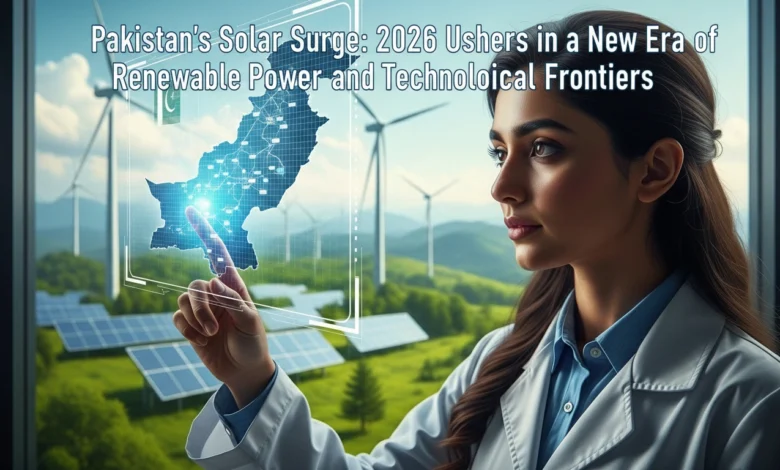
Pakistan is experiencing a remarkable “Solar Revolution” in early 2026. The nation has set an aggressive target of achieving 8,444 MW of solar capacity by June 2026, a goal that, if met, would dramatically reshape its energy landscape. This surge is largely fueled by the burgeoning popularity and increasing accessibility of net-metering arrangements. Net metering allows consumers with solar installations to feed excess electricity back into the national grid, often receiving credit on their electricity bills, thereby incentivizing widespread adoption of rooftop solar. Early indications suggest Pakistan is on track to make solar its second-largest source of power generation by mid-2026. However, this rapid growth is not without its challenges. The rise of distributed solar generation, coupled with potential shifts in demand patterns, presents a looming “Utility Death Spiral” scenario. This phenomenon occurs when declining electricity sales due to self-generation and energy efficiency measures reduce utility revenues, potentially leading to higher tariffs for remaining grid-dependent customers and further incentivizing them to disconnect, creating a vicious cycle. Addressing this requires proactive utility business model reform and sophisticated grid management strategies. For homeowners and businesses looking to capitalize on this solar boom, understanding the costs involved is crucial. For instance, exploring options like a 10kW solar system price in Pakistan (2026) can provide valuable insights into investment planning.
Technological Frontiers: Perovskites, AI, and Advanced Energy Storage
The cutting edge of solar technology is abuzz with innovation in January 2026. The most significant development is the remarkable progress in Perovskite-silicon tandem solar cells. Researchers have consistently pushed the efficiency boundaries, now regularly achieving over 33% in laboratory settings. This leap in efficiency holds the promise of significantly increasing the power output from a given area, making solar energy more competitive and space-efficient. Beyond cell-level breakthroughs, Artificial Intelligence (AI) is being increasingly integrated into solar operations. AI-driven solar tracking systems are optimizing the orientation of panels throughout the day to maximize sunlight absorption, leading to substantial gains in energy generation. In the realm of energy storage, the debate between Sodium-ion and Lithium-ion batteries continues. While Lithium-ion remains the dominant technology, Sodium-ion batteries are gaining traction due to their lower cost, abundant raw materials, and improved safety profiles, particularly for grid-scale storage applications. The selection of storage solutions will increasingly depend on specific use cases, cost-benefit analyses, and the evolving geopolitical landscape of mineral supply chains.
Policy, Economy, and the Path to Decarbonization
The economic and policy frameworks surrounding solar energy are undergoing significant adjustments in 2026. The gradual removal of traditional solar subsidies in many markets is being compensated for by the implementation of carbon taxes and evolving market-based mechanisms. These shifts aim to create a more level playing field, allowing solar energy to compete on its intrinsic economic merits. International financial institutions like the World Bank and the International Monetary Fund (IMF) are playing a pivotal role in driving energy reforms, particularly in developing economies. Their involvement often comes with conditions that encourage the adoption of sound energy policies, facilitate private sector investment, and promote the integration of renewable energy sources. These economic and policy drivers are essential for unlocking the full potential of solar and other clean energy technologies in achieving ambitious decarbonization goals.
Comparative Metrics: 2025 vs. 2026 Solar Landscape
The following table highlights some key shifts observed in the solar energy sector between 2025 and early 2026:
| Metric | 2025 | Early 2026 |
|---|---|---|
| Dominant Cell Technology | PERC | N-Type TOPCon & HJT gaining share |
| Global Capacity Growth (Annualized) | ~20-25% | ~25-30% |
| Perovskite-Silicon Tandem Efficiency | ~28-30% (Lab) | ~33%+ (Lab) |
| Net Metering Adoption | Growing | Widespread in key markets, policy reforms emerging |
| Energy Storage Dominance | Lithium-ion | Lithium-ion dominant, Sodium-ion gaining traction |
| Major Policy Shift Indicator | Focus on initial renewable targets | Emphasis on grid modernization & subsidy phase-out |
Future Outlook: Navigating Towards 2030 Net Zero
Looking ahead for the remainder of 2026, the solar energy sector is poised for continued rapid expansion and innovation. We can expect to see further improvements in the efficiency and cost-effectiveness of N-Type TOPCon and HJT technologies, making them the new industry standard. The commercialization of Perovskite-silicon tandem cells, while still some years away from mass market dominance, will likely see significant pilot projects and further efficiency records broken. Energy storage solutions will become even more critical as grid penetration of solar increases, with ongoing advancements in battery chemistry and integration technologies. Furthermore, the integration of solar energy with Green Hydrogen production is set to accelerate. As electrolyzer costs decrease and solar power becomes more abundant and affordable, the synergy between these two technologies will be crucial for decarbonizing hard-to-abate sectors. The overarching goal for the next few years remains the ambitious 2030 Net Zero targets, and solar power will undoubtedly play a leading role in achieving them. This includes exploring comprehensive solutions for energy management, which can be further explored on platforms like fixsy.pk.
Conclusion: Investing in a Solar-Powered Future
The solar energy sector in January 2026 is a dynamic and rapidly evolving landscape, brimming with opportunity and technological promise. From Pakistan’s aggressive solar targets and the rise of net-metering to the groundbreaking efficiencies of Perovskite-silicon tandem cells and the strategic importance of grid modernization and energy storage, the trends point towards a future powered predominantly by the sun. While challenges such as the “Utility Death Spiral” and supply chain considerations remain, the momentum is undeniable. For investors, this presents a compelling opportunity to participate in one of the most significant energy transitions of our time. For homeowners and businesses, embracing solar energy now means not only contributing to a sustainable future but also benefiting from cost savings and energy independence. The time to invest in solar is not in the future; it is now.
